Ammonia shows up in water from a few different directions — naturally occurring decomposition, agricultural or septic runoff, and in some municipal systems, as an ingredient added on purpose. The EPA hasn't set a federal limit for it specifically, which makes a water test the only real way to know your level.
The EPA has not established a federal Maximum Contaminant Level (MCL) for ammonia in drinking water on its own. That doesn't mean it's never worth addressing — it means there's no single enforceable number to compare your water against, so context matters.
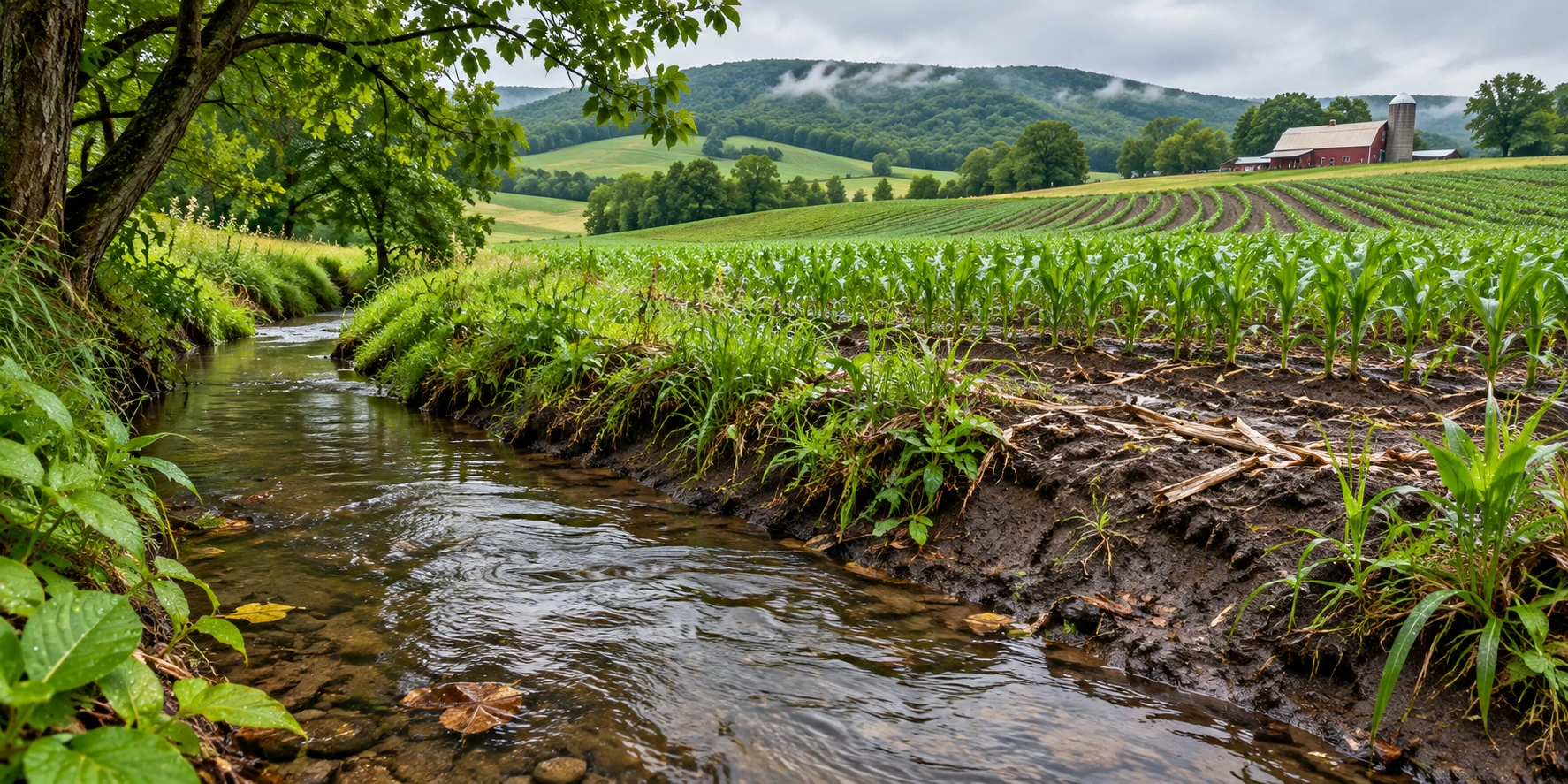
In well water, ammonia usually traces back to decomposing organic matter, agricultural fertilizer runoff, or a nearby septic system. In municipal water, it can show up for a different reason entirely: many utilities deliberately combine a small, controlled amount of ammonia with chlorine to produce chloramine, a disinfectant that lasts longer in the distribution system than chlorine alone. (See our Chlorine & Chloramine page for more on that process.)
Watch For This
Signs to Look For
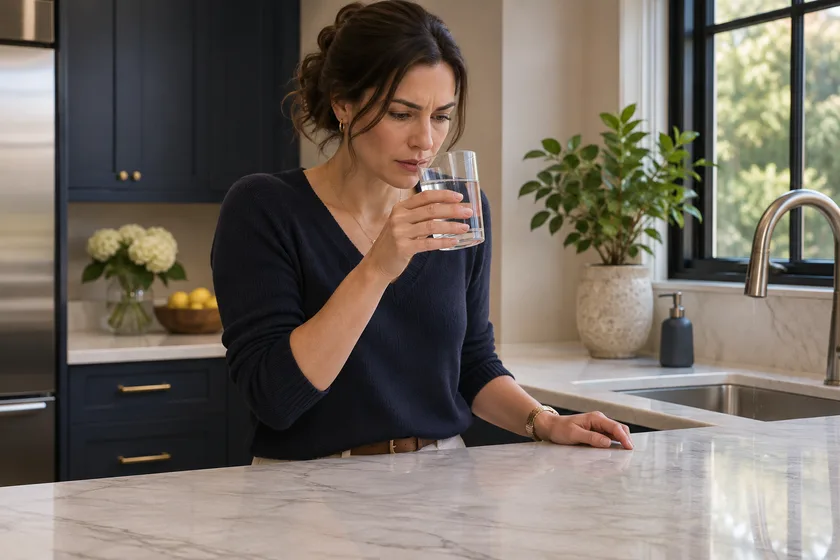
A sharp, chemical or “cleaning product”-like odor or taste
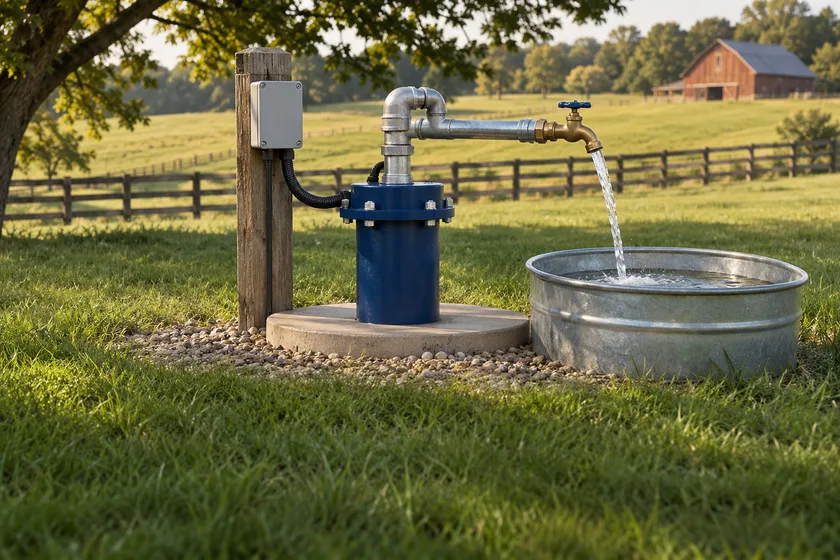
Well water near agricultural land, livestock, or a septic system
Municipal water from a utility that uses chloramine (rather than chlorine alone) as its disinfectant
No recent water test specifically checking for ammonia levels
How We Fix It
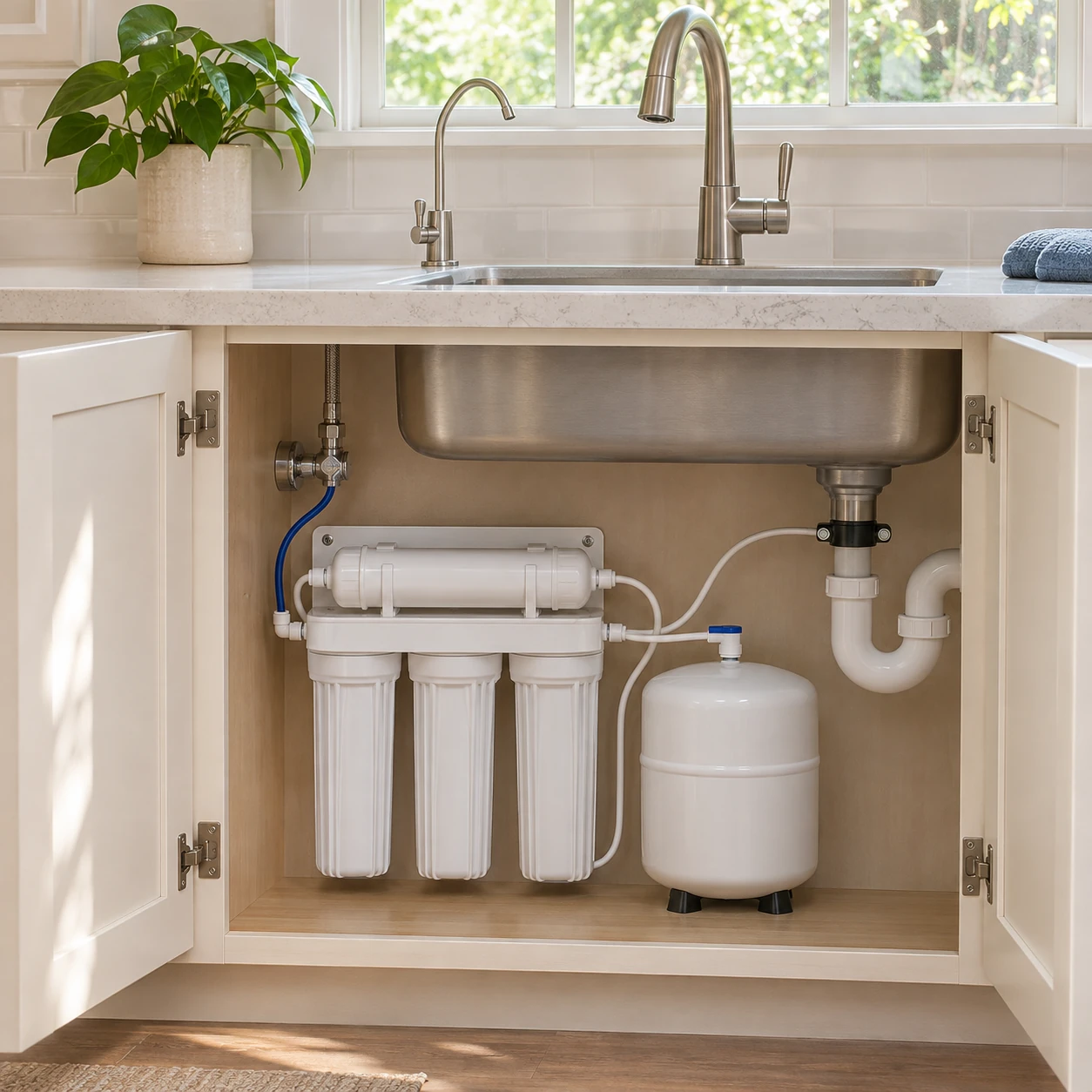
Reverse Osmosis System
Reverse osmosis membrane filtration reduces a broad range of dissolved compounds, ammonia included, as water is forced through a semi-permeable membrane under pressure — giving you a consistent result regardless of why the ammonia is there in the first place.
Note: this is addressed by our reverse osmosis drinking-water system specifically — our whole-house filtration systems are not designed or certified to remove it.
Curious What's In Your Water?
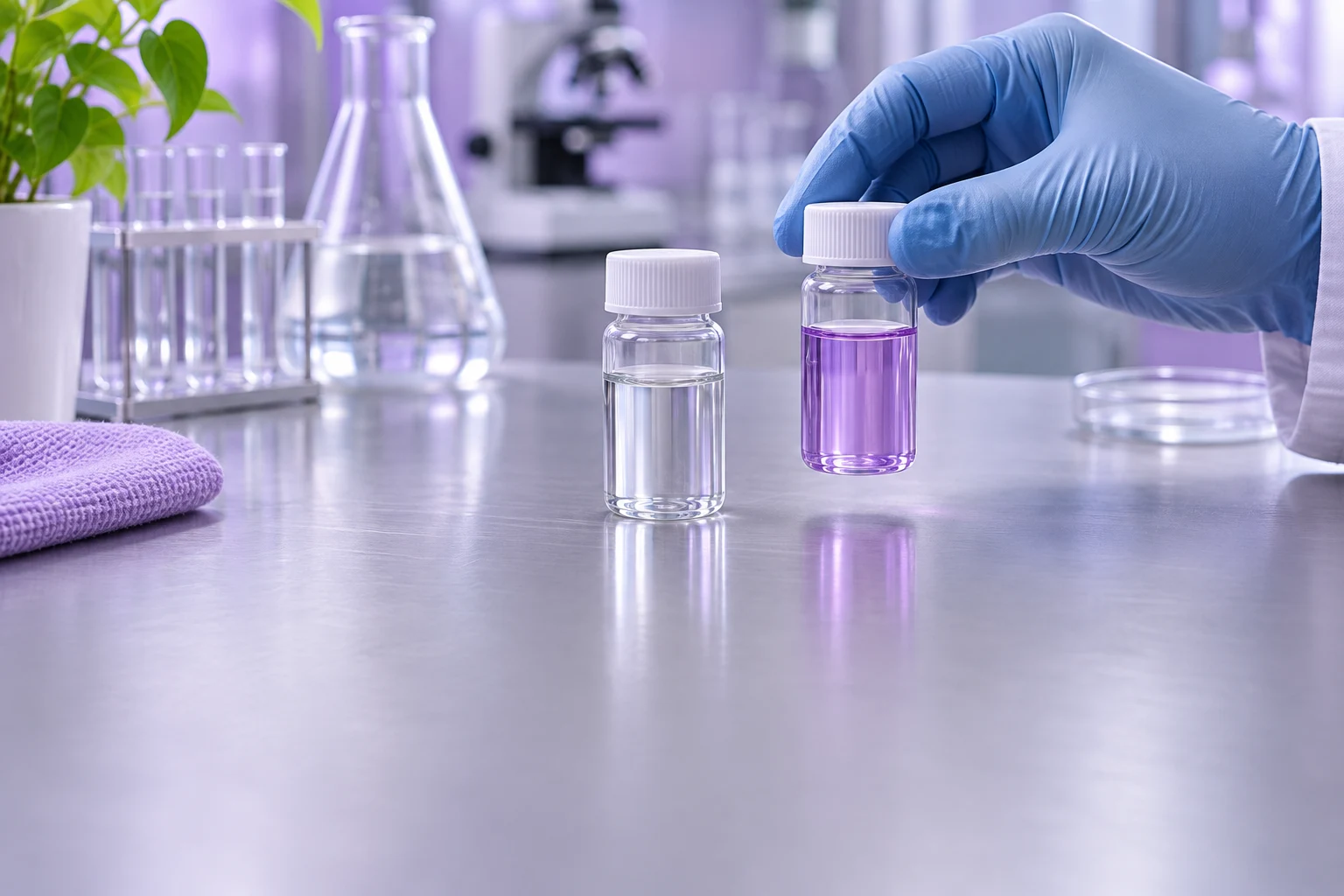
Tell us what you’ve noticed and bring any water test results. We can explain what the free visit includes and when a separate laboratory test is appropriate.
At the low levels typically found in treated tap water, ammonia is mostly a taste and odor issue rather than an acute health hazard. The EPA hasn't set a formal limit for it specifically, so a water test is the best way to know your actual level and whether it's worth addressing.
Some municipal utilities combine a small, controlled amount of ammonia with chlorine to create chloramine, a secondary disinfectant that holds up longer through the distribution system than chlorine alone. It's a treatment choice made at the utility level, not a sign of contamination.
Not reliably. Our reverse osmosis system is the equipment built to meaningfully reduce it — whole-house carbon and sediment filtration isn't designed for this specific job.