Benzene: An Industrial Solvent With a Strict EPA Limit
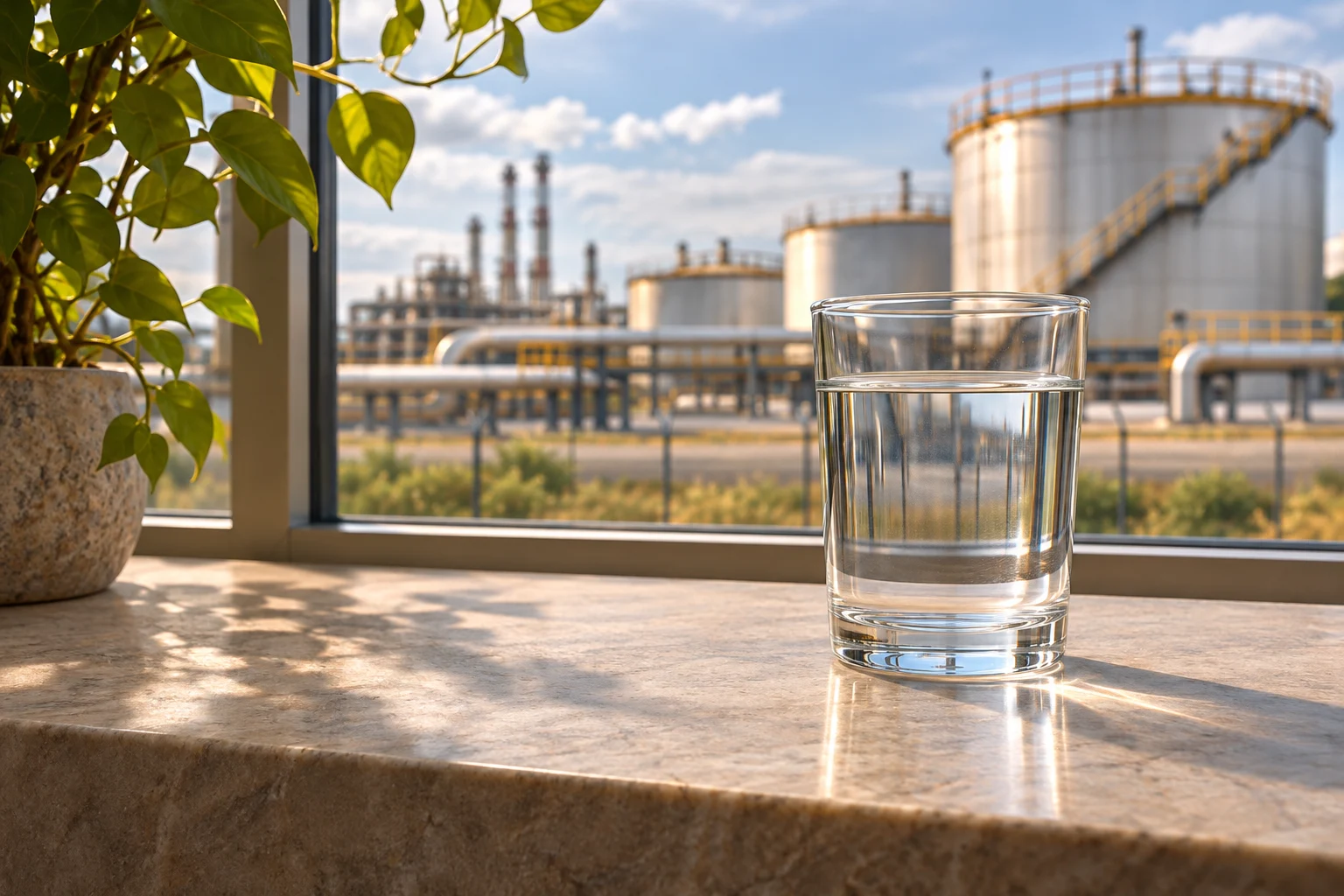
Benzene is a petroleum-derived industrial solvent that the EPA regulates tightly — at 0.005 mg/L (5 parts per billion), one of the lower contaminant limits on the books. It's not something you can taste or smell at that level, so testing is the only way to know if it's present.
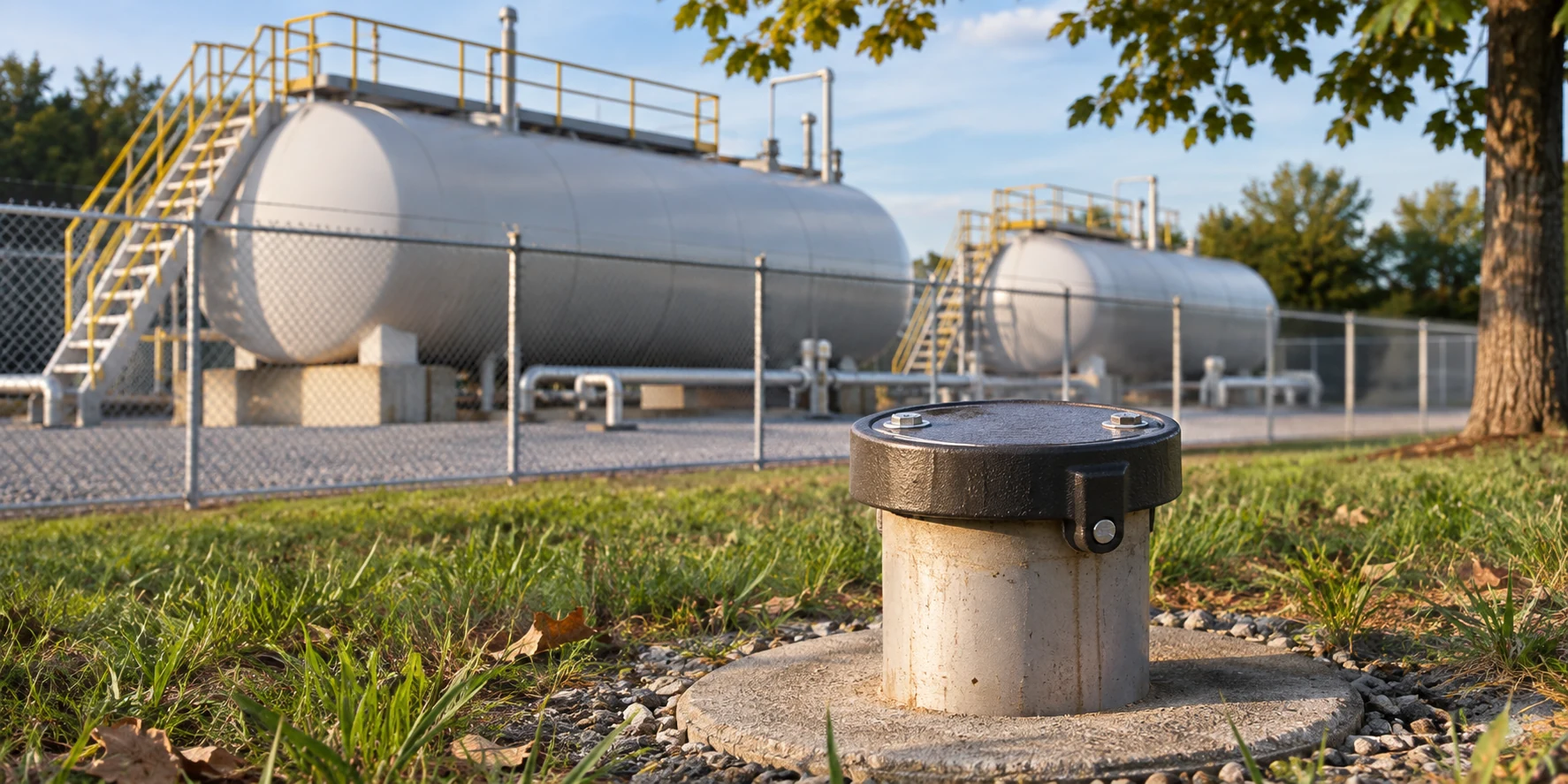
The EPA's Maximum Contaminant Level (MCL) for benzene is 0.005 mg/L, with a Maximum Contaminant Level Goal of zero — reflecting that there's no level regulators consider fully without risk. It typically enters water supplies from leaking underground fuel storage tanks, industrial discharge, or runoff from a gasoline spill or contaminated site near a well or municipal source.
According to the EPA's own published health effects data, long-term exposure to benzene above the MCL is linked to an increased risk of cancer, along with anemia and decreased blood platelet counts.
Watch For This
Signs to Look For
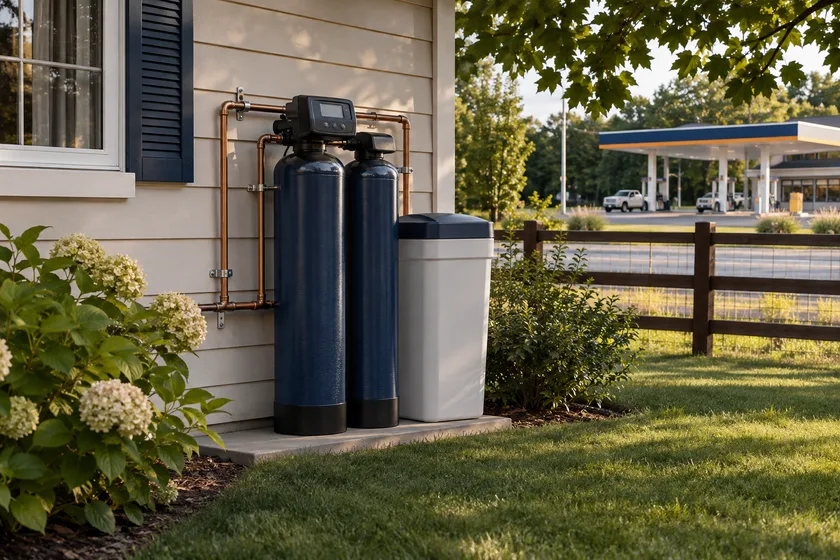
A property near a gas station, fuel storage tank, industrial site, or known contamination plume
A well in an area with documented groundwater contamination
No reliable taste, smell or color at regulated low levels — testing is the only way to know
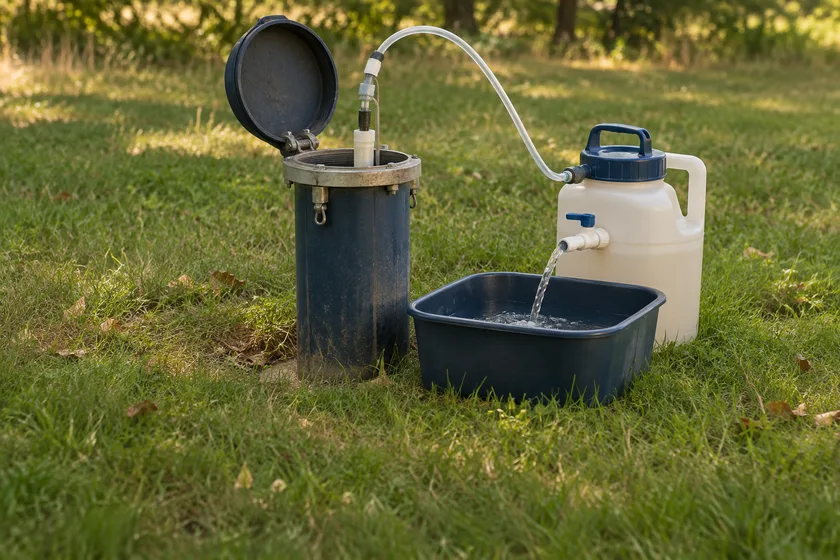
No recent water test specifically checking for VOCs (volatile organic compounds) like benzene
How We Fix It
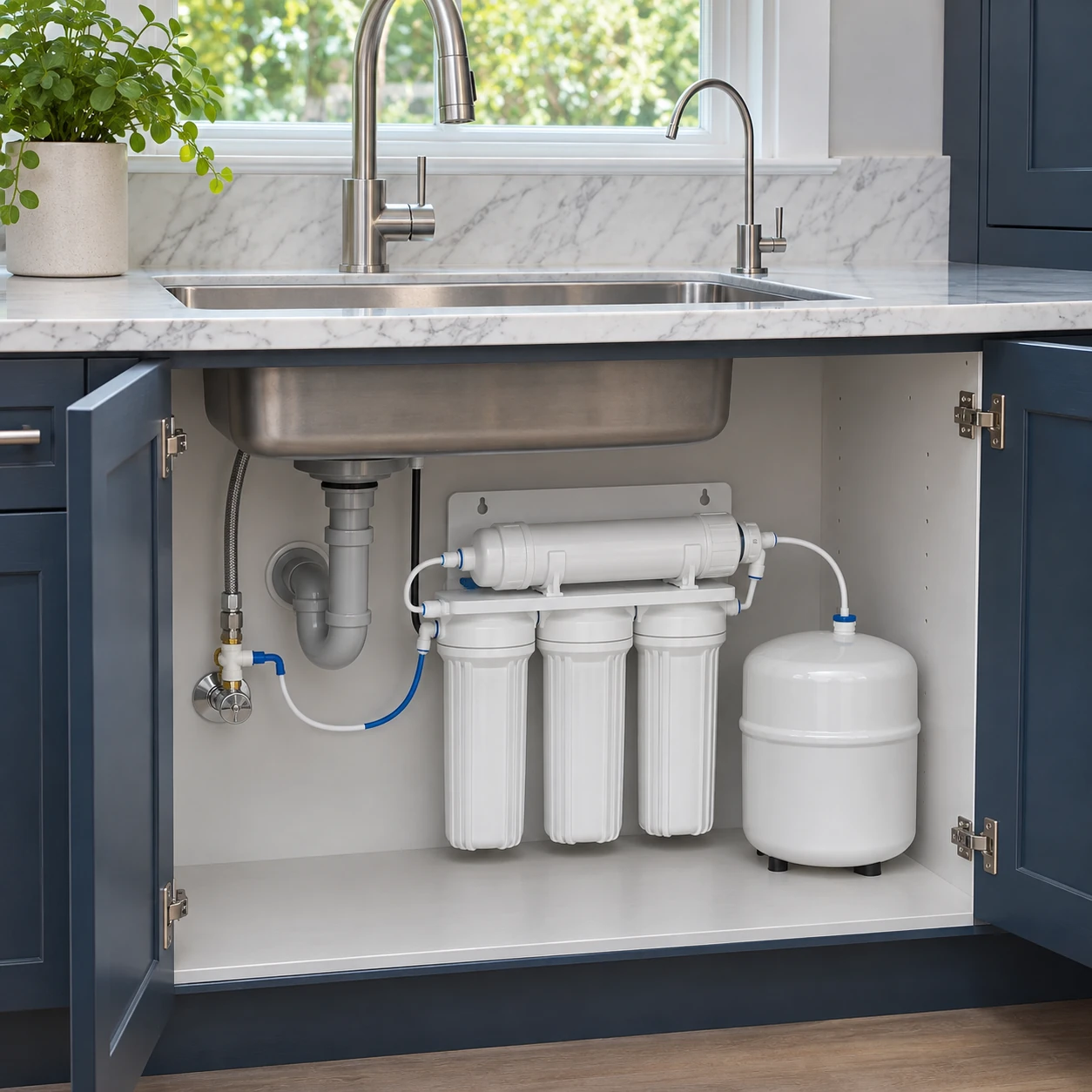
Reverse Osmosis System
Reverse osmosis filtration, using a semi-permeable membrane under pressure, is effective at reducing dissolved organic compounds like benzene from drinking water, giving you a reliable barrier regardless of the exact source.
Note: this is addressed by our reverse osmosis drinking-water system specifically — our whole-house filtration systems are not designed or certified to remove it.
Curious What's In Your Water?
Tell us what you’ve noticed and bring any water test results. We can explain what the free visit includes and when a separate laboratory test is appropriate.