





info@aquatechgurus.com Serving PA, NJ, DE & West Palm Beach, FL Phones answered 24/7
Home / Contaminants / Heavy Metals

Heavy Metals: An Overview

Trace metals can enter your water from a few different directions — natural geology, corroding household plumbing, or nearby industrial activity. Some are mostly a taste and staining nuisance; others carry real EPA-regulated health thresholds. Here's the honest breakdown, with a dedicated page for each one.

What It Is

Not All Metals Are Regulated the Same Way

The seven metals below show up on our reverse osmosis system's own contaminant list, and they're not all treated equally by the EPA. Chromium and cadmium carry enforceable, health-based Maximum Contaminant Levels. Copper has both a treatment-technique action level (health-based) and a separate, lower secondary standard (for taste and staining). Zinc, aluminum and silver are regulated only as secondary — non-enforceable, aesthetic — standards. Nickel currently has no federal limit at all, after an earlier proposed EPA standard was withdrawn following legal challenge in the 1990s.

Tap any metal below for the specific EPA figures, where it typically comes from, and how we address it.

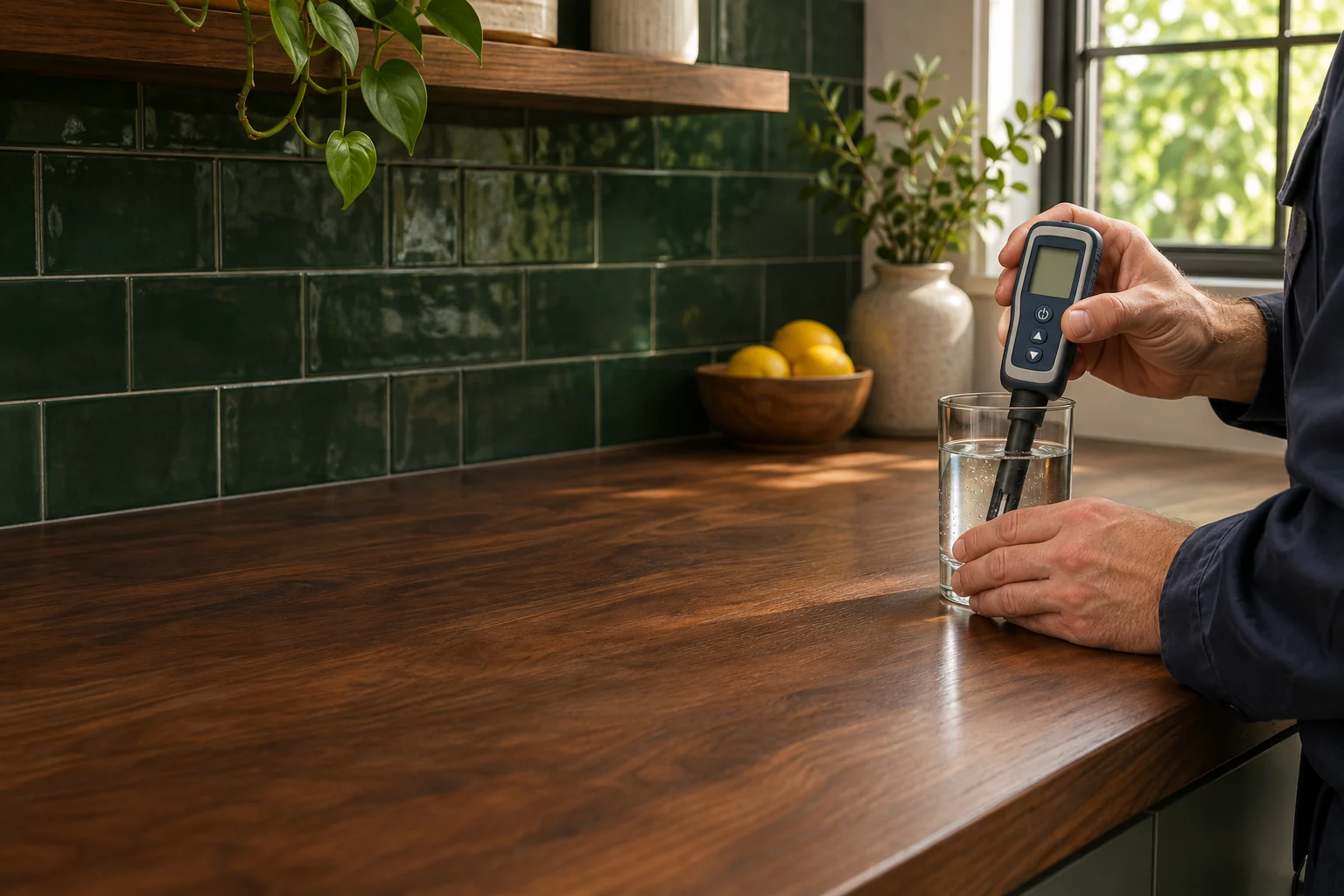
Illustrative water testing with a handheld meter.
Illustrative water-testing concept.
Why It Matters

How Metals Typically Get Into Water

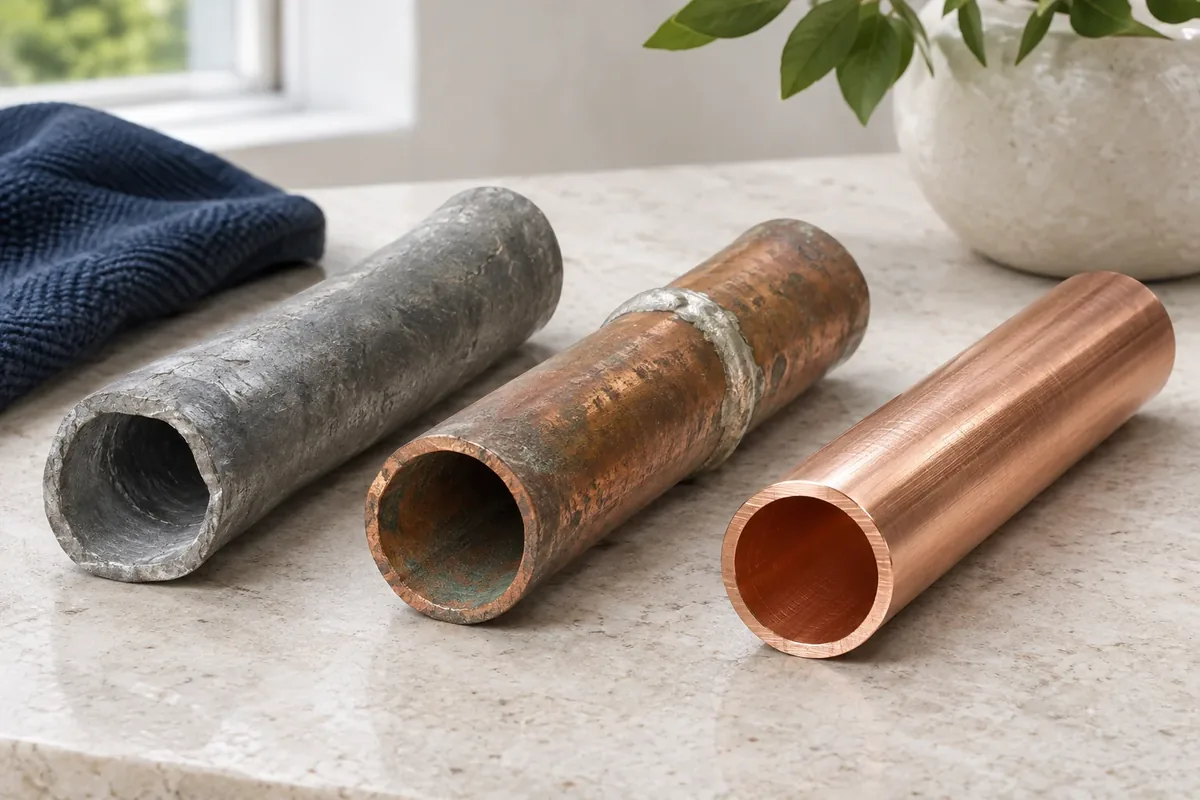
  • Corroding plumbing — copper pipe, galvanized steel, brass fixtures, especially with acidic or soft water
  • Natural geological deposits in the local bedrock or soil
  • Industrial or manufacturing discharge, more relevant near older industrial sites
  • Residual treatment chemicals (for example, aluminum-based coagulants some municipal plants use during clarification)
How We Fix It

Reverse Osmosis System

Reverse Osmosis System

Reverse osmosis filtration is effective across this entire category — dissolved metals are exactly the kind of contaminant a semi-permeable RO membrane is built to reduce, regardless of which specific metal or combination is present.

Learn More

Note: this is addressed by our reverse osmosis drinking-water system specifically — our whole-house filtration systems are not designed or certified to remove it.

Curious What's In Your Water?

We'll test it for free and show you exactly what a system would remove.

Request a Free Water Test
FAQ

Heavy Metals: Common Questions

No. Chromium and cadmium have enforceable, health-based EPA limits. Copper has a health-based action level as well as a lower aesthetic standard. Zinc, aluminum and silver are regulated only as non-enforceable aesthetic guidelines, and nickel currently has no federal limit at all.

Most often from corroding household plumbing (copper pipe, galvanized steel, brass fixtures), natural geological deposits, or industrial activity nearby. A water test tells you which, if any, are present at a meaningful level.

Reverse osmosis. Its semi-permeable membrane is built to reduce dissolved metals as a category, rather than targeting one specific element.

Call Now — (267) 225-8282